
Valentine’s Day looks timeless. It isn’t. What we celebrate on February 14 is a layered story: early Christian feast days, medieval poetry, and a very modern gift economy.
The saint (plural).
More than one martyr is linked to the name Valentine, and the historical record is messy — which is exactly why legends multiplied (secret weddings, letters, miracles).
The romance arrives later.
The turning point is medieval courtly culture. Geoffrey Chaucer ties “Saint Valentine’s Day” to pairing birds in the late 1300s — one of the earliest strong links between the date and romantic love.
By the 1400s, Valentine poetry and love messages are clearly in circulation.
Modern rituals: quick world tour.
Western Europe / North America: cards, dinners, flowers — highly visible affection.
Japan: February 14 often means women give chocolates (including giri choco “obligation chocolate”), with White Day on March 14 as the return gift moment.
Finland & Estonia: it can lean “Friend’s Day,” celebrating friends as much as couples.
Brazil: Lovers’ Day is typically June 12 (Dia dos Namorados), not February 14.
Flowers: symbolism is fun — but season is smarter
Flower “meanings” mostly come from 19th-century floriography (the language of flowers).
Still, the best bouquet isn’t the one with the loudest symbol — it’s the one that smells, lasts, and changes beautifully at home.
Roses vs “February’s flower” — and the mimosa question
Red roses are culturally welded to Valentine’s Day.
But “February’s birth flower” in many traditions is violet and primrose, not a rose.
So is mimosa “the flower of February”?
Not globally — but in France it makes perfect seasonal sense: mimosa blooms in late winter, celebrated on the Côte d’Azur with February events.
It reads as a February signature: bright, sun-yellow, and unexpectedly modern.
How to surprise her on February 14
Skip the copy-paste bouquet. Choose seasonal stems that hold and evolve:
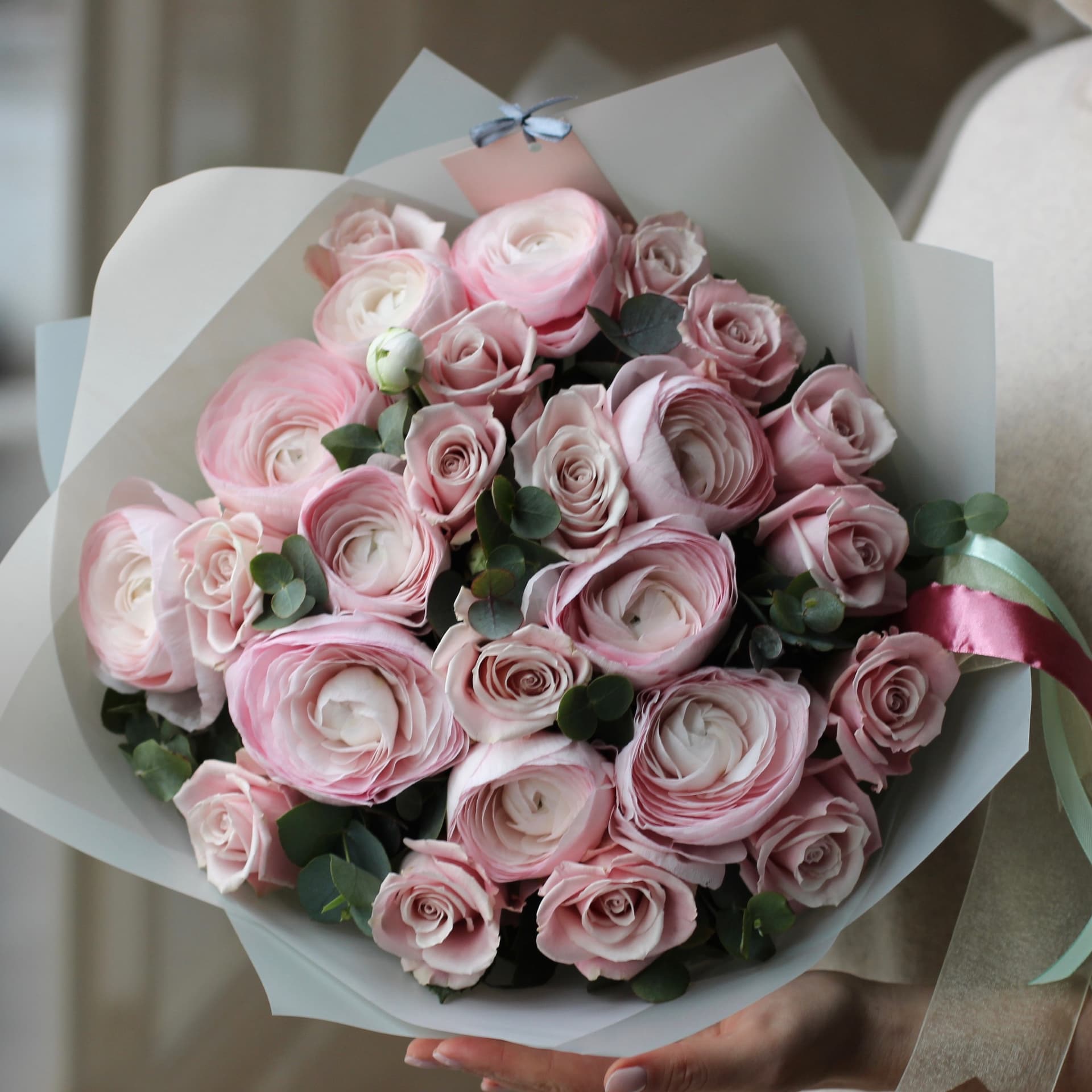
tulips (dramatic movement), anemones (graphic contrast), hyacinths (room-filling fragrance), ranunculus (dense, couture texture).
A seasonal bouquet usually means better freshness, longer life, and a longer “story” on the table — more days of impact, not just a single night.